Whitepaper - long-form content to support complex buyer decisions
Categories
Long-form Content
Client
NashTech
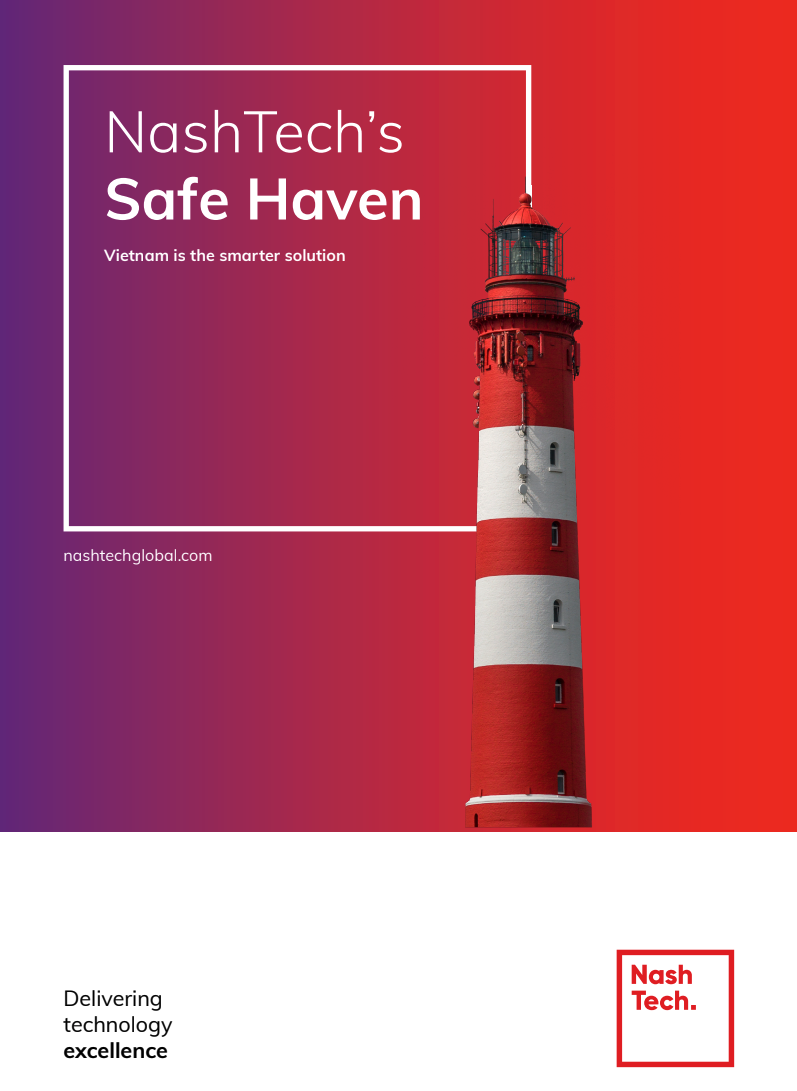
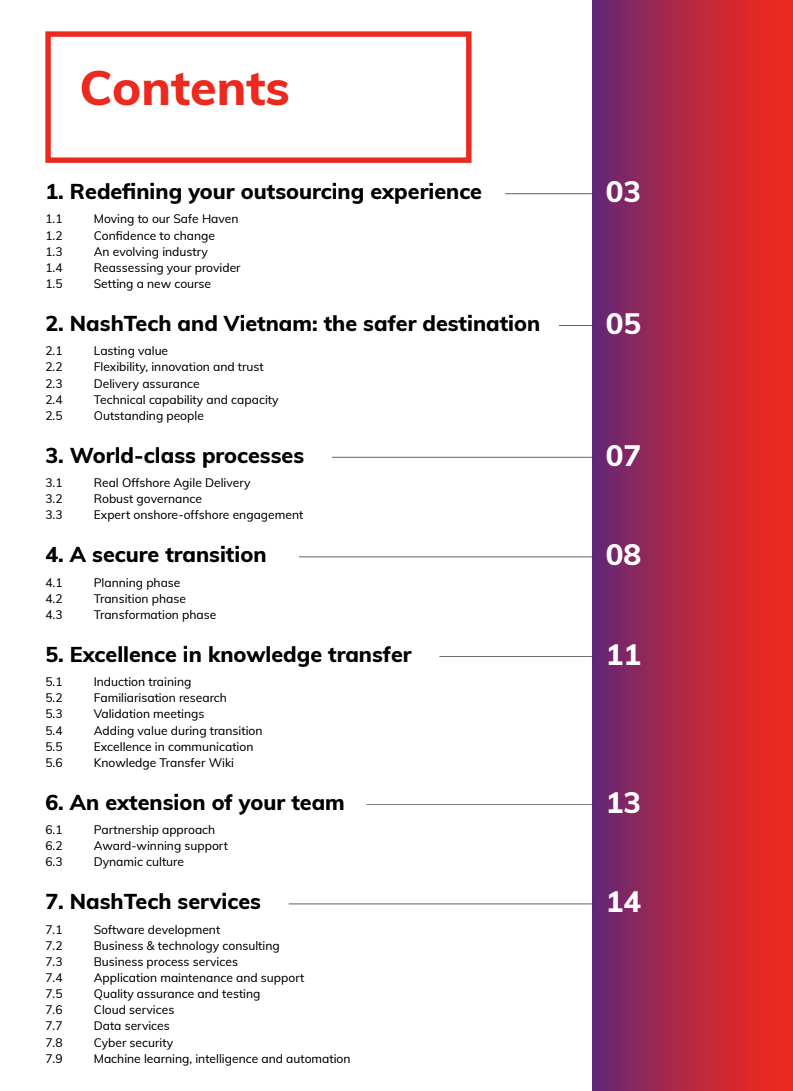
THE CHALLENGE
This is more than a content job. It's the creation of a decision support tool.
The audience is senior — CTOs, IT leaders — and the decision is high-stakes. Changing an outsourcing partner means risk, cost, disruption, and internal scrutiny. No one makes that call lightly.
This meant it had a lot of work to do. There were also multiple subject matter experts, different regions, different time zones, different priorities. A lot of input, not all of it aligned.
My job was to turn all that information into something coherent. A document that builds confidence, answers the right questions, and makes the case.
MY APPROACH
I treated it as an argument, not a document.
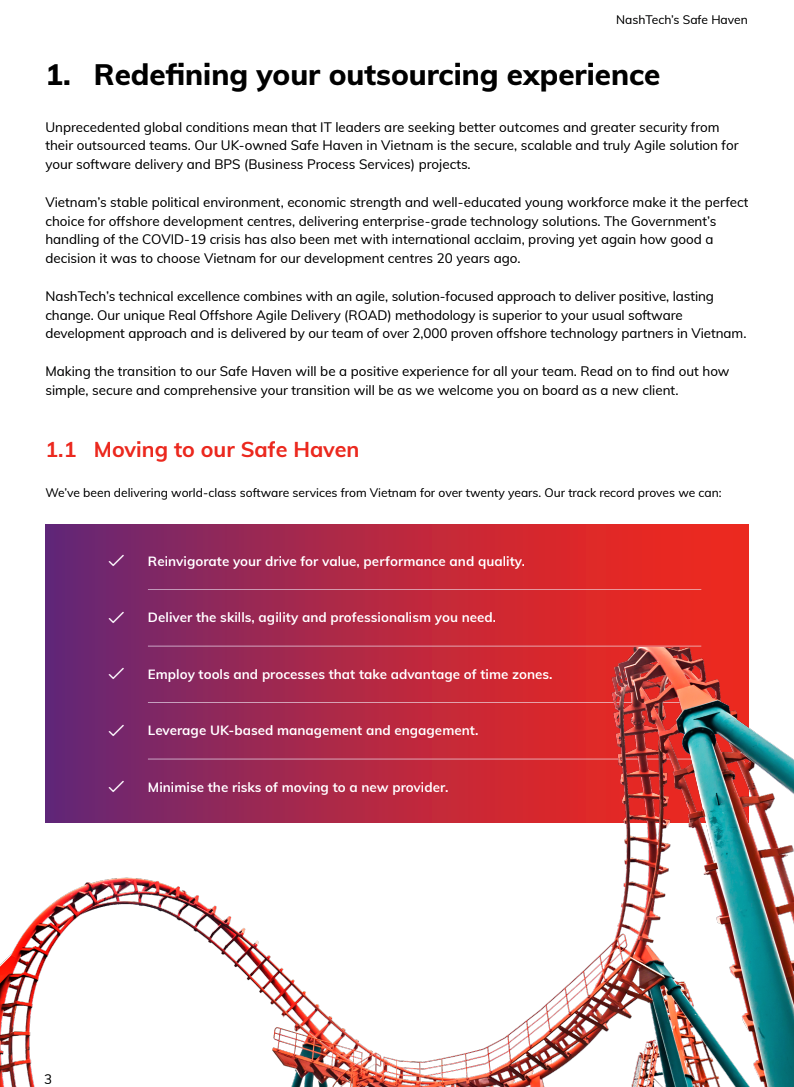
It moves from problem → doubt → alternative → proof → process → reassurance. A logical progression designed to mirror how a buyer actually thinks.
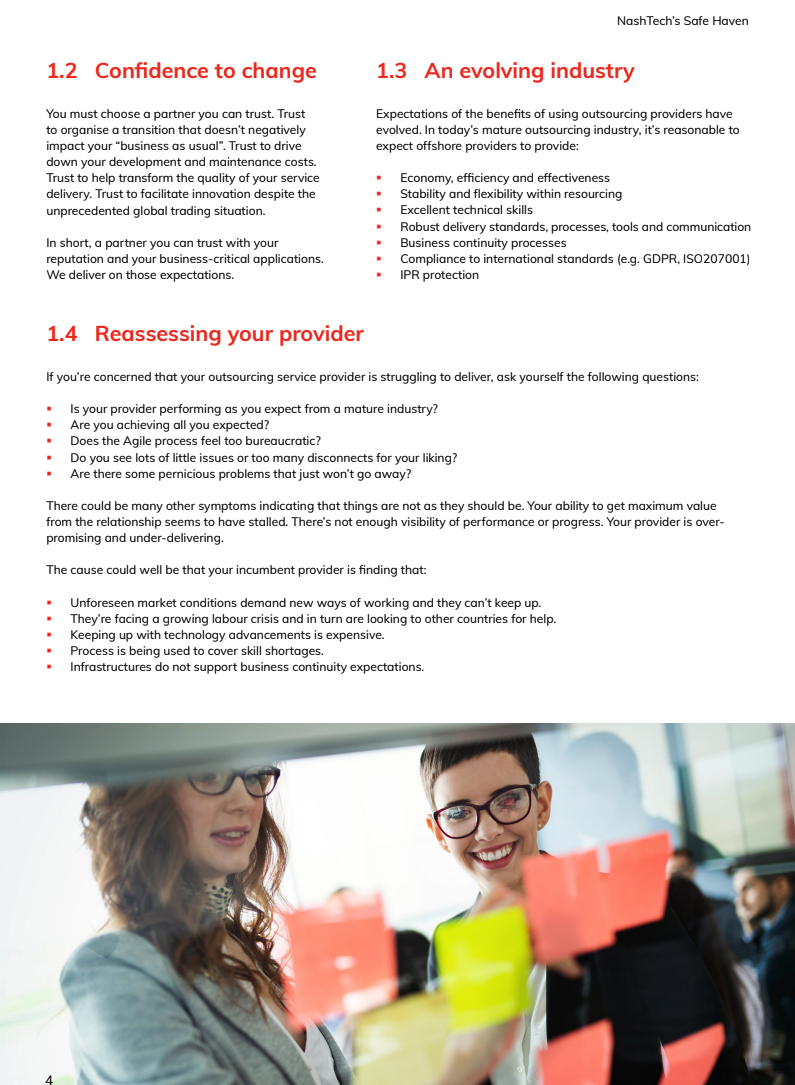
Early on, it reframes the situation. Outsourcing isn’t broken, but expectations have shifted and many providers haven’t kept up . This creates the opening.
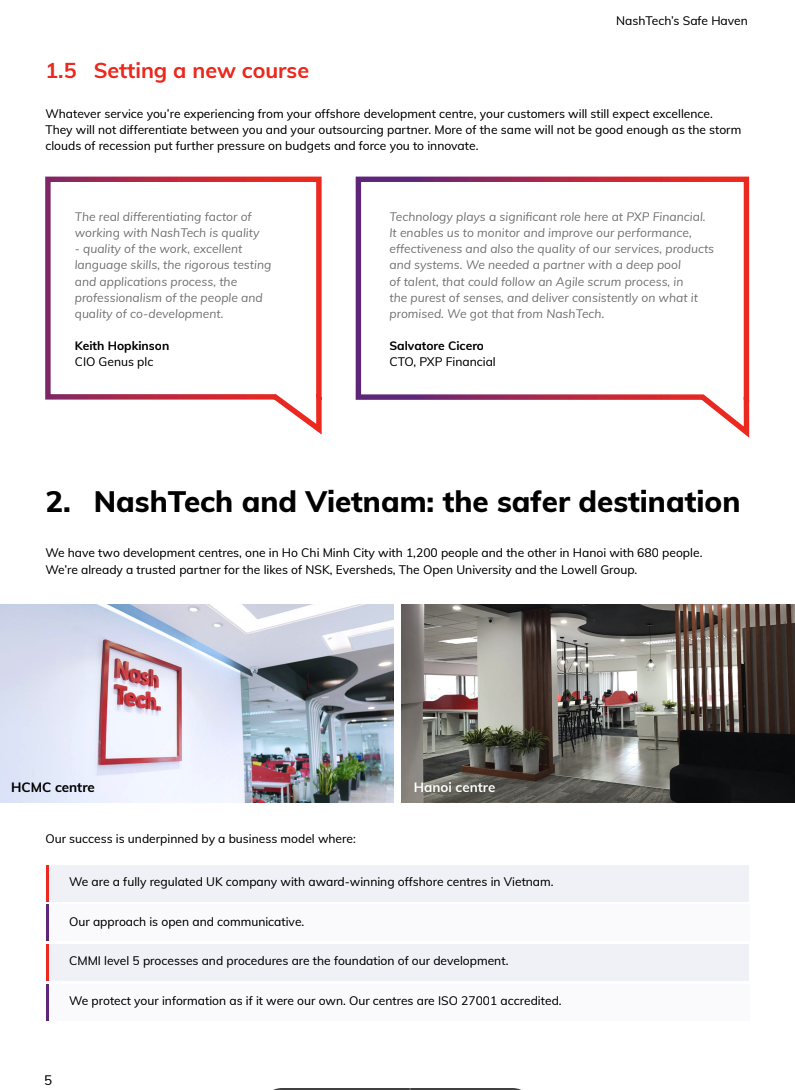
From there, it introduces the alternative — Vietnam as a “safer destination” — but backs it with specifics: talent depth, stability, scale, and existing client base . Not claims, but clear context.
The middle of the piece is about de-risking the decision. Delivery models, governance, knowledge transfer, transition phases. This is where most white papers lose people, so I focused on clarity and flow — what happens, when, and why it works.
And underneath it all, I kept pulling all those various SME inputs into a single voice, making it less 'death by committee', more 'coherent point of view'.
the result
A document that gives senior buyers a clear path through a complex decision — from “should we change?” to “how would this actually work?” without forcing them to join the dots themselves.
It also turns a broad set of capabilities into something more focused. Instead of listing services, it frames NashTech as a lower-risk, higher-confidence alternative in a market where trust is often the problem.
Internally, it aligned multiple stakeholders around a single story. Externally, it gave sales something they could actually use as a way into more serious conversations.